
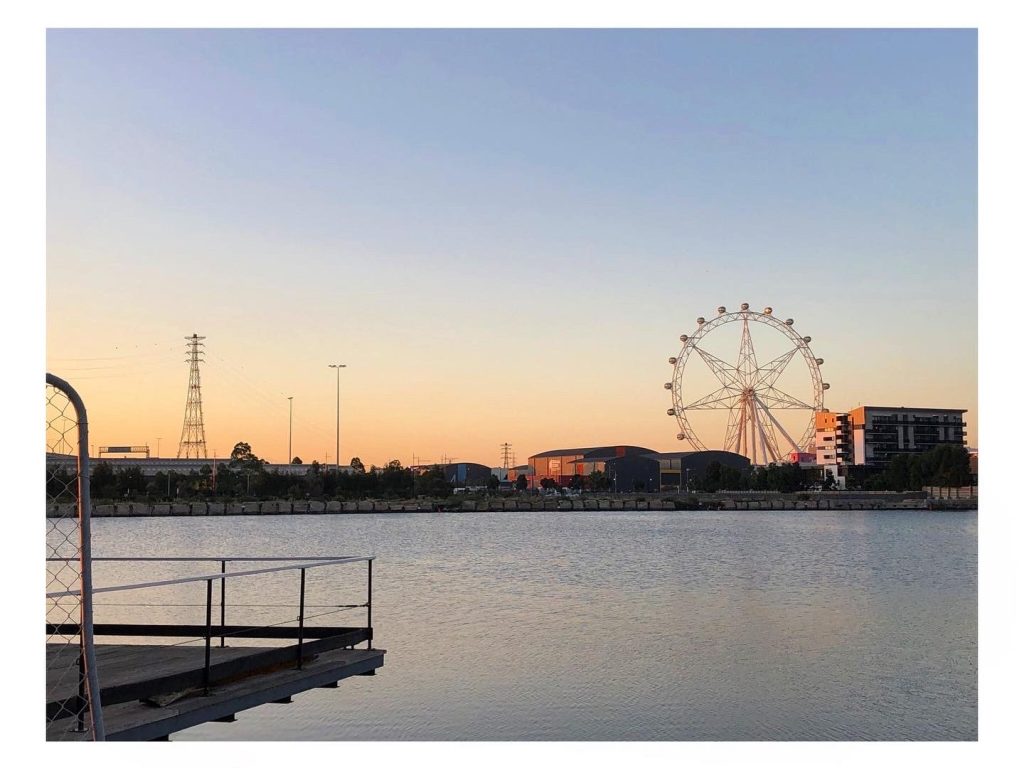
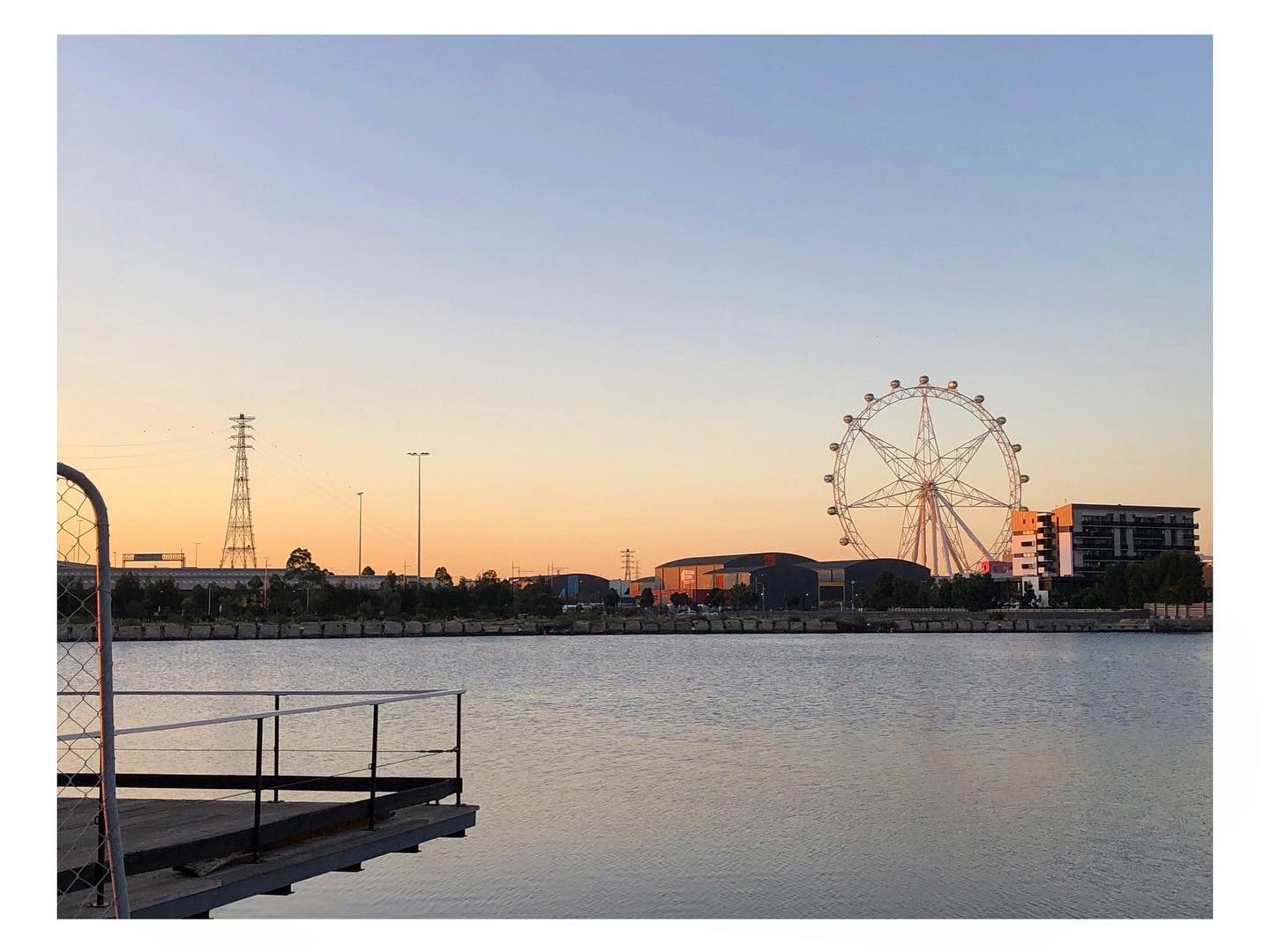
Hello my friends, it has been a while! Recently I found i have been actively reading books and contents… regarding on life, and how do we see “time as a limited asset”. It does not matter either we live passively or aggressively, or negatively or positively… time equally bleed out from us.
In the hustle and bustle of modern life, time often feels like a precious commodity slipping through our fingers. However, there’s a timeless philosophy that has found its way into contemporary conversations about simplifying and reclaiming our most valuable asset: time. This philosophy is none other than minimalism.
Minimalism, often associated with the Japanese aesthetic, goes beyond just decluttering physical spaces. It’s a mindset that extends to how we spend our time and energy. As the Japanese say…
“石の上にも三年” (Ishi no ue ni mo san nen)
which translates to “Three years on a rock.”
This proverb encourages patience and perseverance, emphasizing the idea that time invested in simplicity and endurance will yield meaningful results.


So, how does minimalism save time?
- Clearing Mental Clutter: In a world bombarded with information, practicing minimalism helps declutter not only our physical spaces but also our minds. By simplifying our surroundings, we reduce decision fatigue and free up mental space for more important thoughts and creative endeavors.
- Intentional Living: Minimalism prompts us to be intentional about how we spend our time. By identifying and prioritizing what truly matters to us, we can say no to distractions and activities that don’t align with our values. This leads to a more purposeful and fulfilling life.
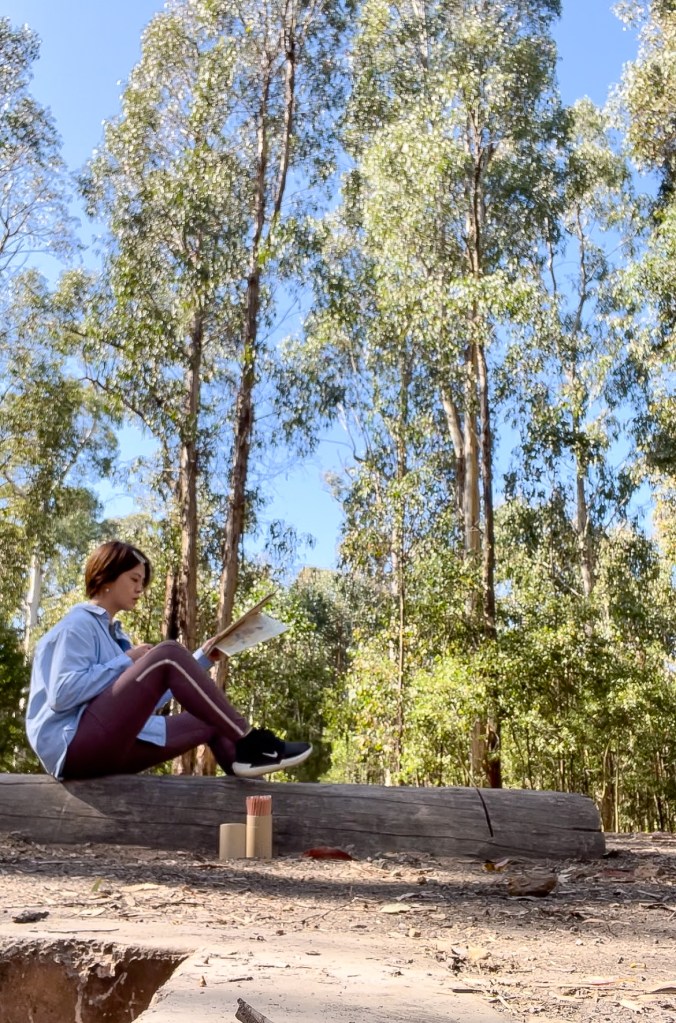

- Streamlined Daily Routines: Adopting a minimalist approach to possessions and commitments means streamlining our daily routines. When we own fewer things and commit to fewer obligations, we spend less time on maintenance and more time on activities that bring joy and fulfillment.
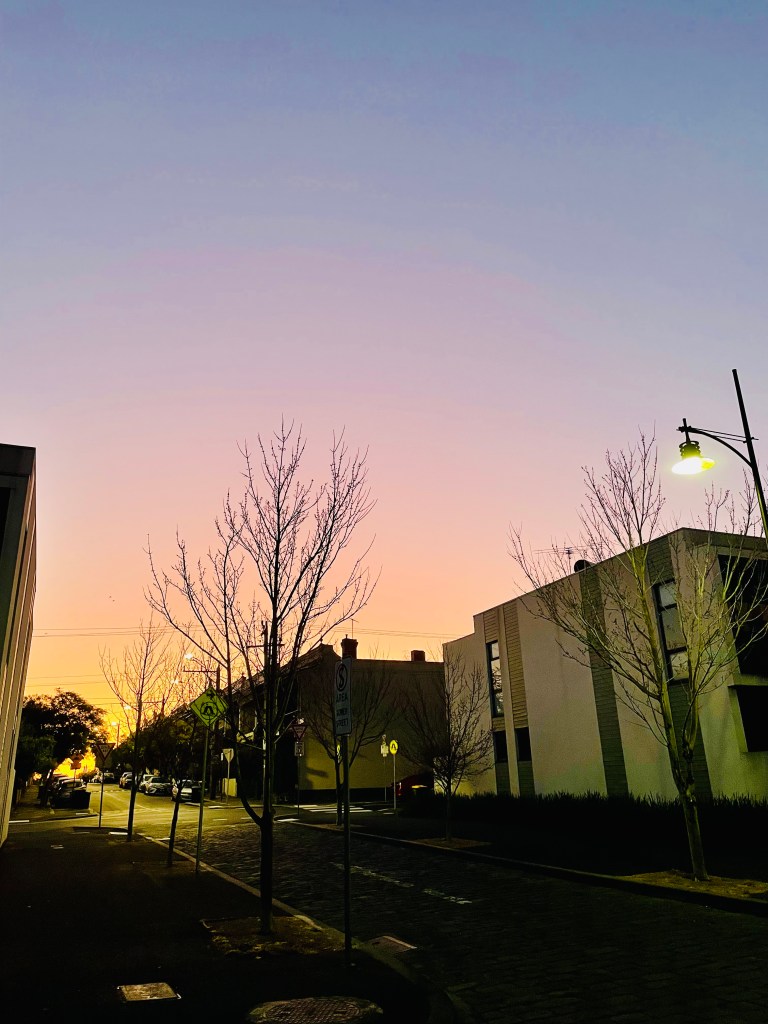
- Embracing the Present Moment: The Japanese phrase “今日は今日、明日は明日” (Kyou wa kyou, ashita wa ashita) encapsulates the essence of mindfulness and living in the present. Minimalism encourages us to appreciate the current moment, letting go of the past and worrying less about the future. This mindset shift allows us to savor each moment and make the most of our time.
In essence, minimalism isn’t just about having fewer things; it’s a transformative journey that extends into how we use our time. By adopting a minimalist mindset inspired by Japanese wisdom, we can simplify our lives, reduce distractions, and focus on what truly matters—ultimately reclaiming our most precious resource: time.
 Minimal Lifestyle.
Leave a comment